A hanfu outfit brings several clothing choices together: a robe or separates, the layers beneath and over them, and the shoes and accessories worn with them. An aoqun (袄裙), for example, pairs a jacket with a skirt, with the jacket hanging outside the skirt. A joined robe has a different arrangement.
Putting the outfit together starts with those relationships. Identify the pieces, check what an open front reveals, and work out which ties actually close the clothes. Then try the whole combination on, so the hem, sleeves, and layers can be checked together.
What belongs in a hanfu outfit?
The pieces depend on the outfit’s construction. For an aoqun, the jacket and skirt remain separate garments. In a shenyi (深衣), the upper and lower sections join to form one garment.
This piece-first method sits within the broader hanfu dress tradition. If a name is unfamiliar, the guide to types of hanfu separates outfit names, robes, outer layers, vests, and skirts before you assemble them.
Changzhou Museum uses that distinction in its clothing education: a joined shenyi and an aoqun with the jacket outside the skirt. The distinction helps with dressing, too. A seam joining sections and a jacket hem lying over a skirt may sit near the same place, but they need different handling.
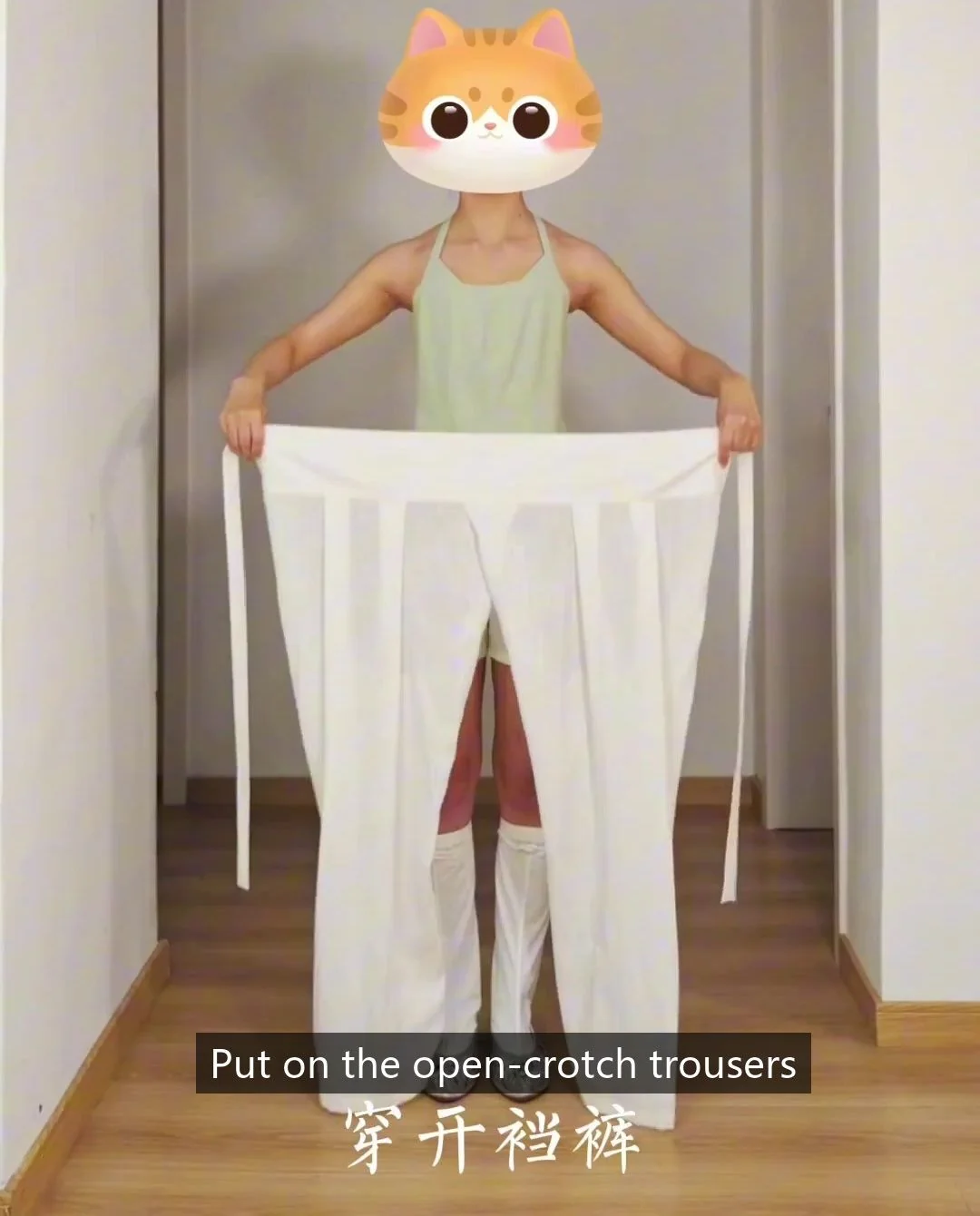
The National Museum of China’s attendant figurines include upper garments worn with trousers. A long skirt is therefore one possible starting point, rather than a requirement for every outfit labeled hanfu.
Lay out the clothes with a piece list. Include the inner garment, the main robe or separates, any outer layer, and each garment’s fastenings. Shoes and hair ornaments can go alongside; a fan remains something to carry.
For an outfit you haven’t bought yet, use the written contents to make the same list. A photographed cuff might belong to an inner garment that isn’t included. Ask which piece creates it. The answer should name an included item.
Match the hanfu outer layer to what it reveals
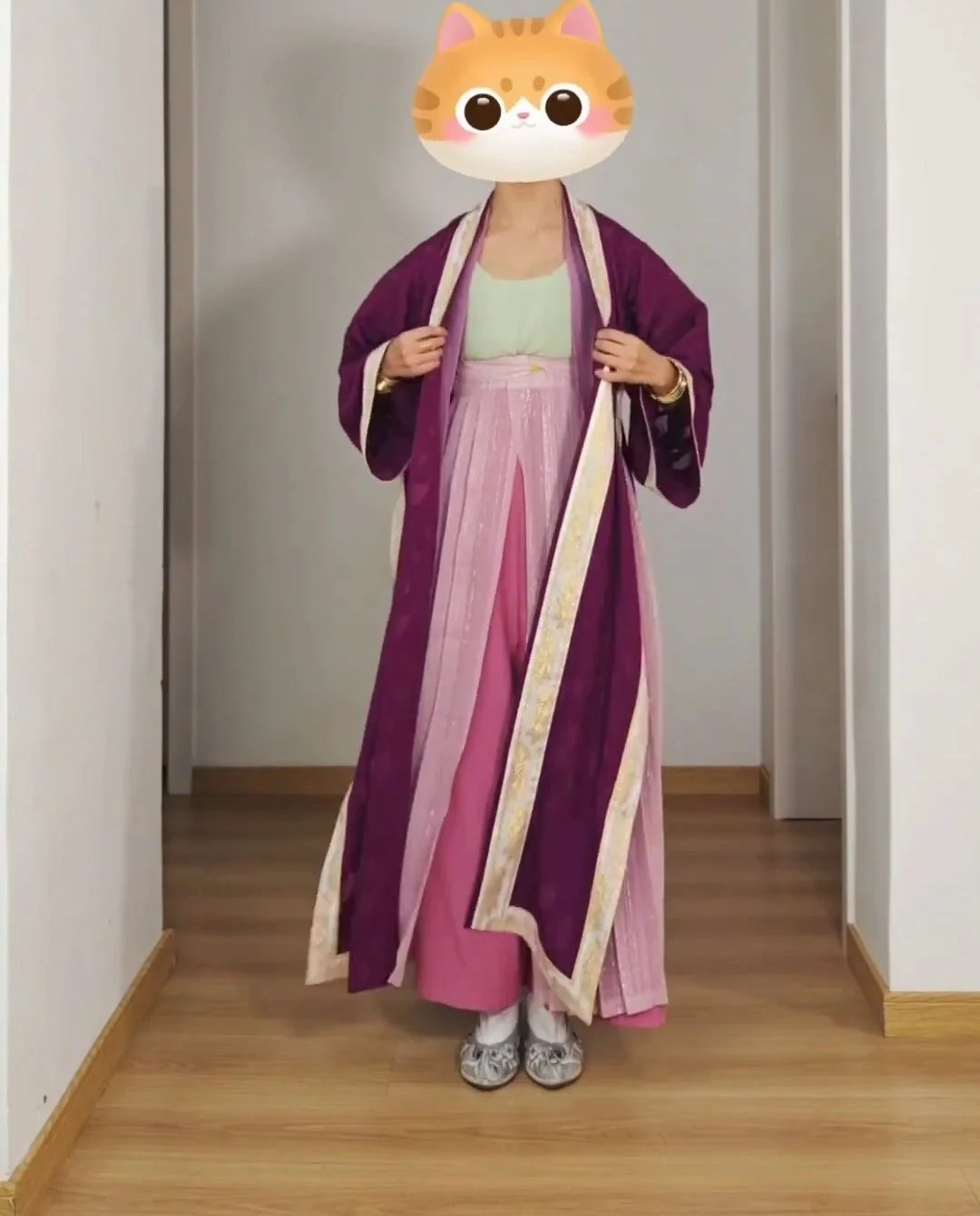
Once the pieces are identified, consider how much the outer garment covers. An open front gives the inner layer a visible role. Its neckline, color, and coverage become part of the dressed result.
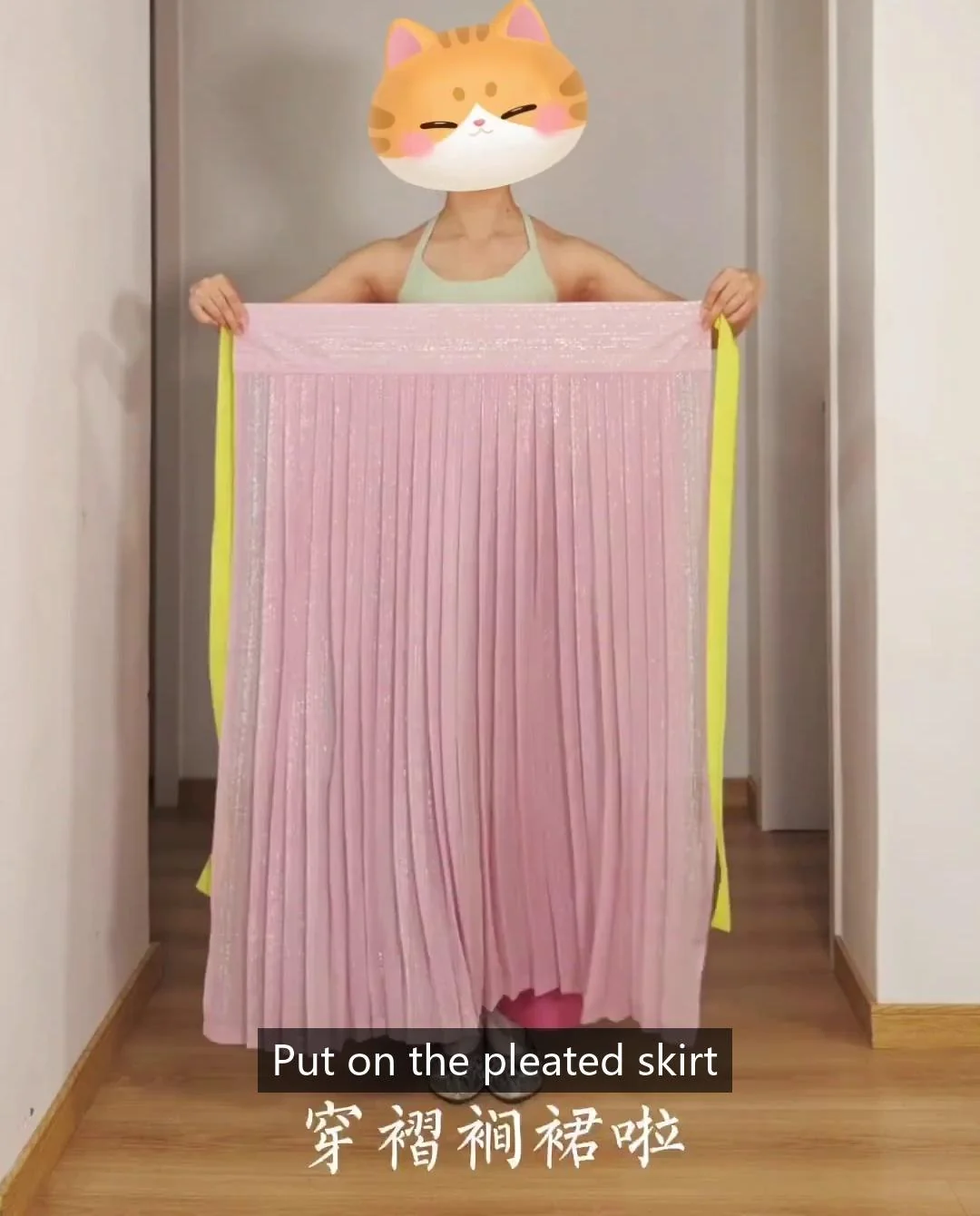
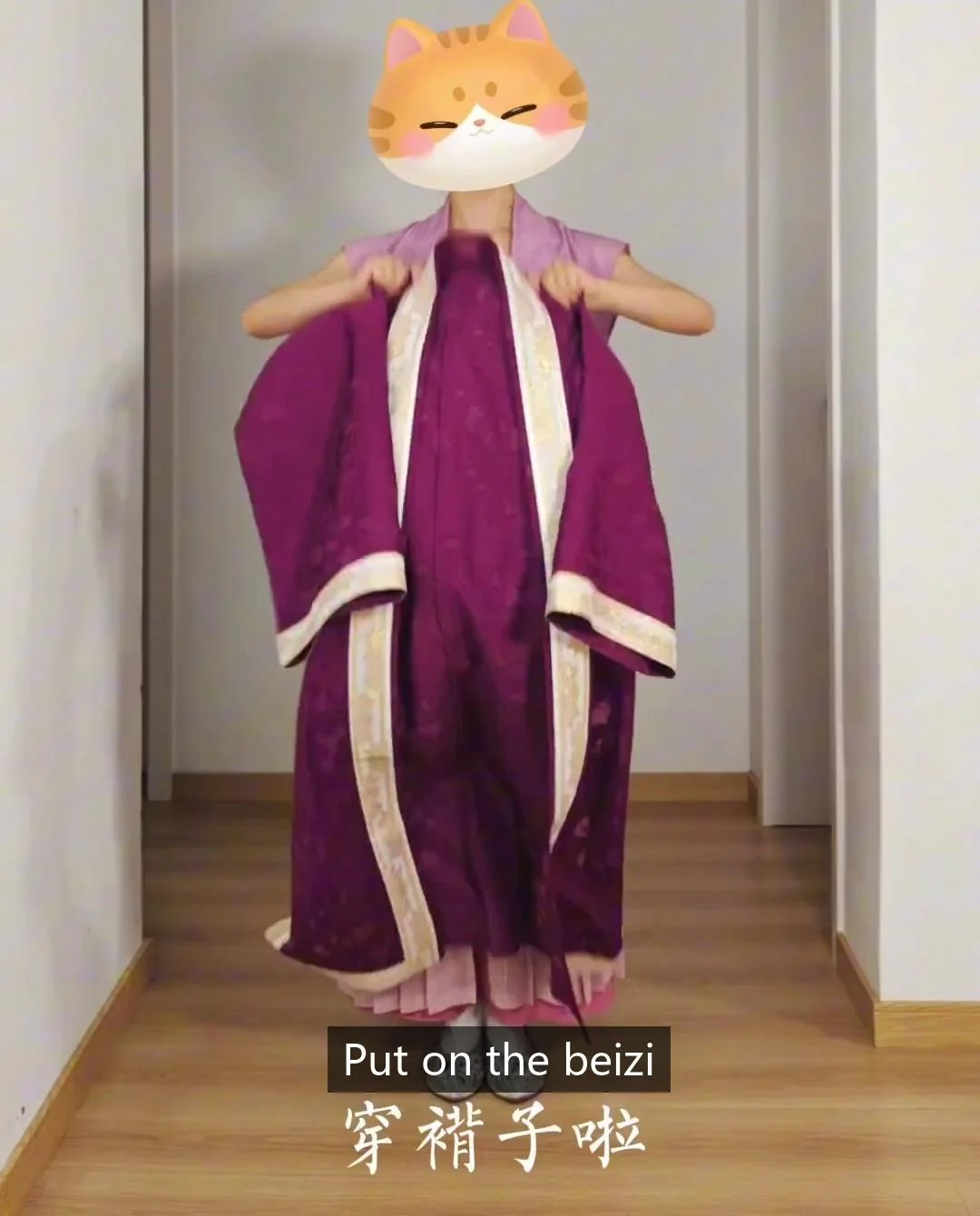
A Song-style beizi (褙子), a long outer garment, offers a concrete example. The China National Silk Museum describes women’s versions worn with pleated skirts. Its account also connects open-front examples with a moxiong (抹胸), an inner garment wrapped around the torso beneath the outer layer.
The inner piece supplies coverage across the chest while the outer fronts hang beside it. The museum example gives a relationship to understand; a modern set still needs its own instructions and matching pieces.
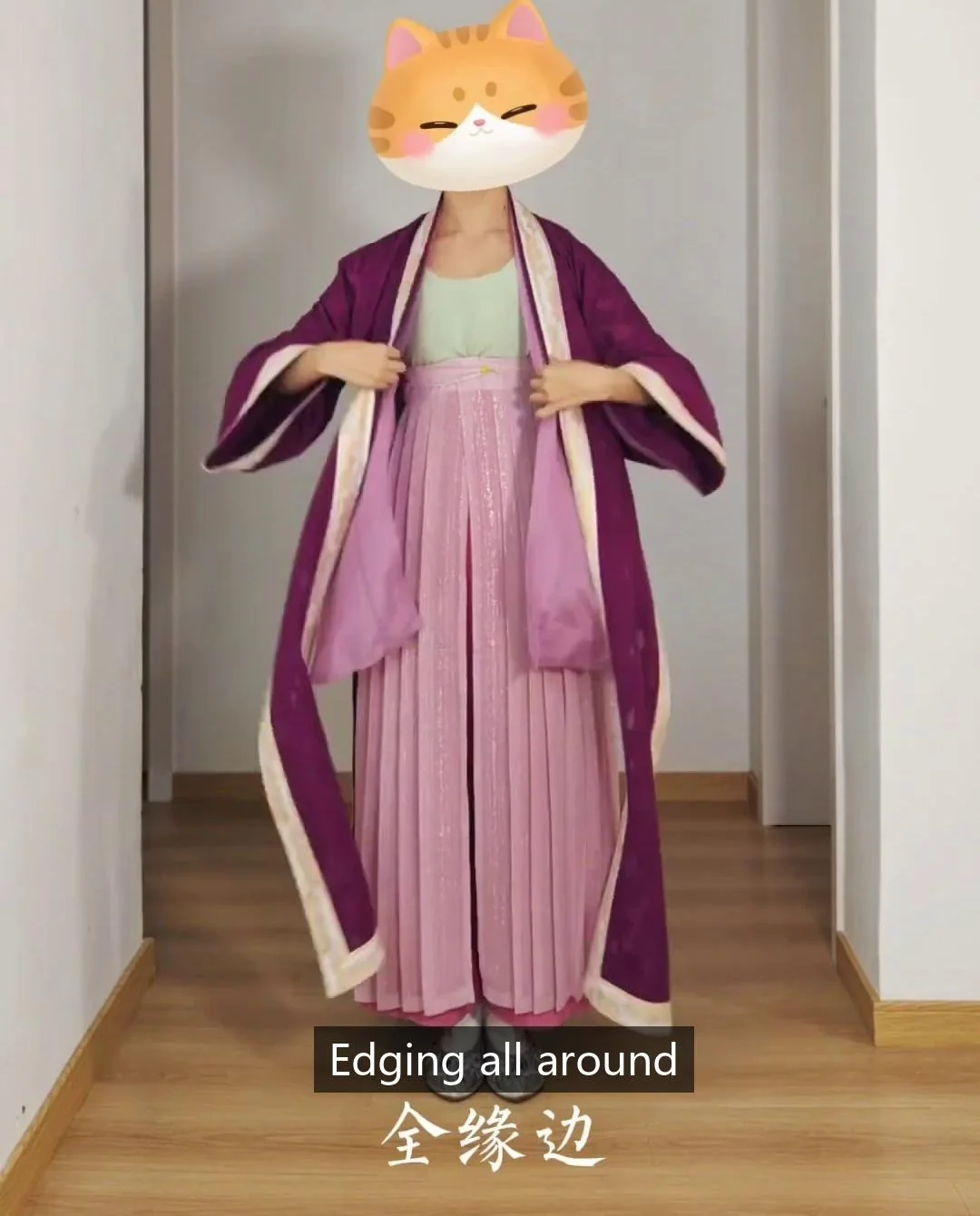
Look at the intended outfit with the arms lowered. Follow the inner neckline and the edges of the outer front. If the inner garment shows above or between those edges, decide whether that is the appearance you want.
Keep the intended underlayers on when checking size. An outer piece tried over a thin shirt tells you how it sits over that shirt. With a fuller inner garment, try that combination and check the space at the sleeves and front opening.
Material changes the same layer relationship: the silk hanfu guide explains why fiber, fabric, lining, and the number of overlapping garments need separate checks.
Check how the hanfu fronts and ties close
The coverage of an outfit also depends on how its fronts are held. A tie may fasten two edges, while another pair of hanging ties may remain loose beside a buttoned opening. Find the fastening’s attachment points before pulling on it.
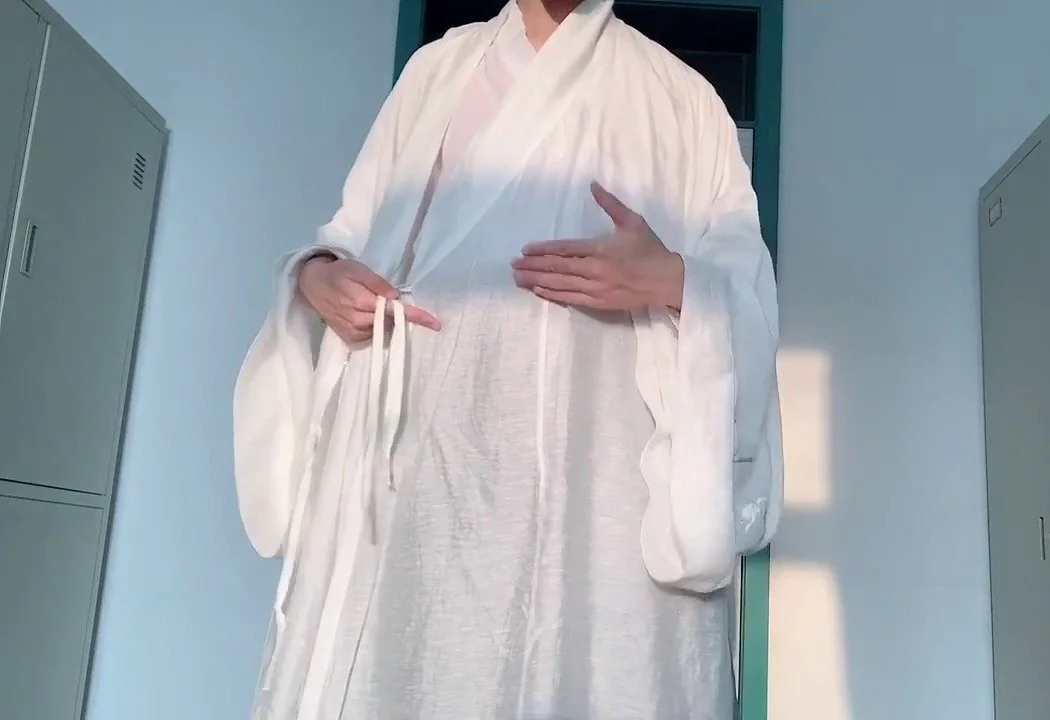
The silk museum’s beizi account distinguishes several arrangements: ties or loops at the front, a small button used while ties hang down, and fronts with no fastening. A loose-looking front can be intentional.
For a cross-collar garment designed for rightward closure, the wearer’s left front overlaps the right. Judge the direction from the wearer’s body; a reversed photograph can make a sound reference confusing.
Follow the instructions supplied for the particular garment. Before covering a fastening with the next layer, check which edges it connects and whether the cloth lies as shown. If an inner tie has no clear partner, ask for a view of the inside instead of copying a knot from an unrelated outfit.
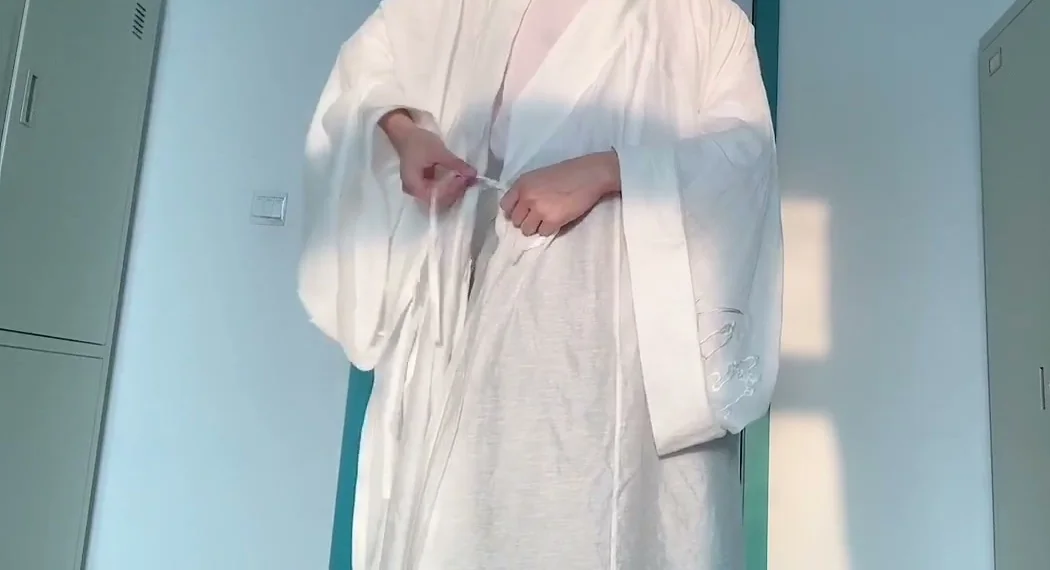
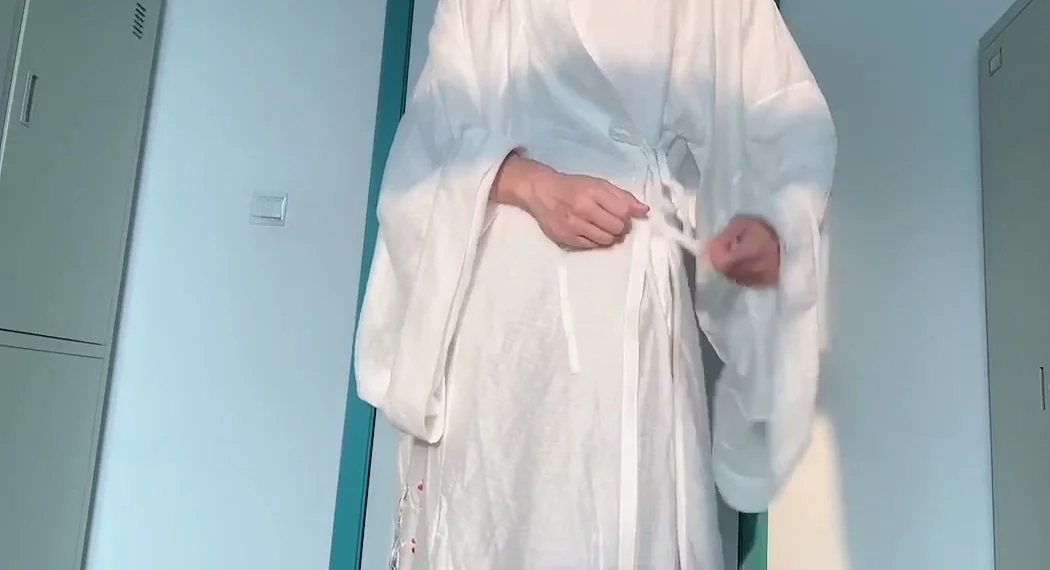
A belt may cover the same area as the garment’s own ties, but its presence doesn’t explain what those ties do. Once the clothes close as intended, the belt’s position can be assessed as part of the whole outfit.
Try the whole hanfu outfit before going out
With the layers and closures in place, a try-on can answer questions that a piece list leaves open. Wear the shoes planned for the outing, too. Check the hem against the floor and the sleeves beside the hands, using a mirror or another person’s view of the back.
Use the checks below to notice changes as you move. They’re prompts, not a claim that adjustments work for every hanfu style. The garment’s construction and its supplied dressing instructions remain the starting point.
For the broader meaning of the clothing, including the difference between historical dress traditions and clothes made today, see what hanfu is. Hanfu is also one branch within the site’s overview of traditional Chinese clothing.
| Check | What to notice |
|---|---|
| Stand with the arms relaxed | Whether the front edges and inner neckline sit as intended |
| Raise the arms, then lower them | Whether the collar or waistband has shifted and stays displaced |
| Sit down and stand again | Whether an overlap opens or the layers bunch at the waist |
| Walk in the intended shoes | Whether the hem catches underfoot or needs constant lifting |
| Carry the planned bag or fan | Whether the object catches a sleeve or blocks access to a fastening |
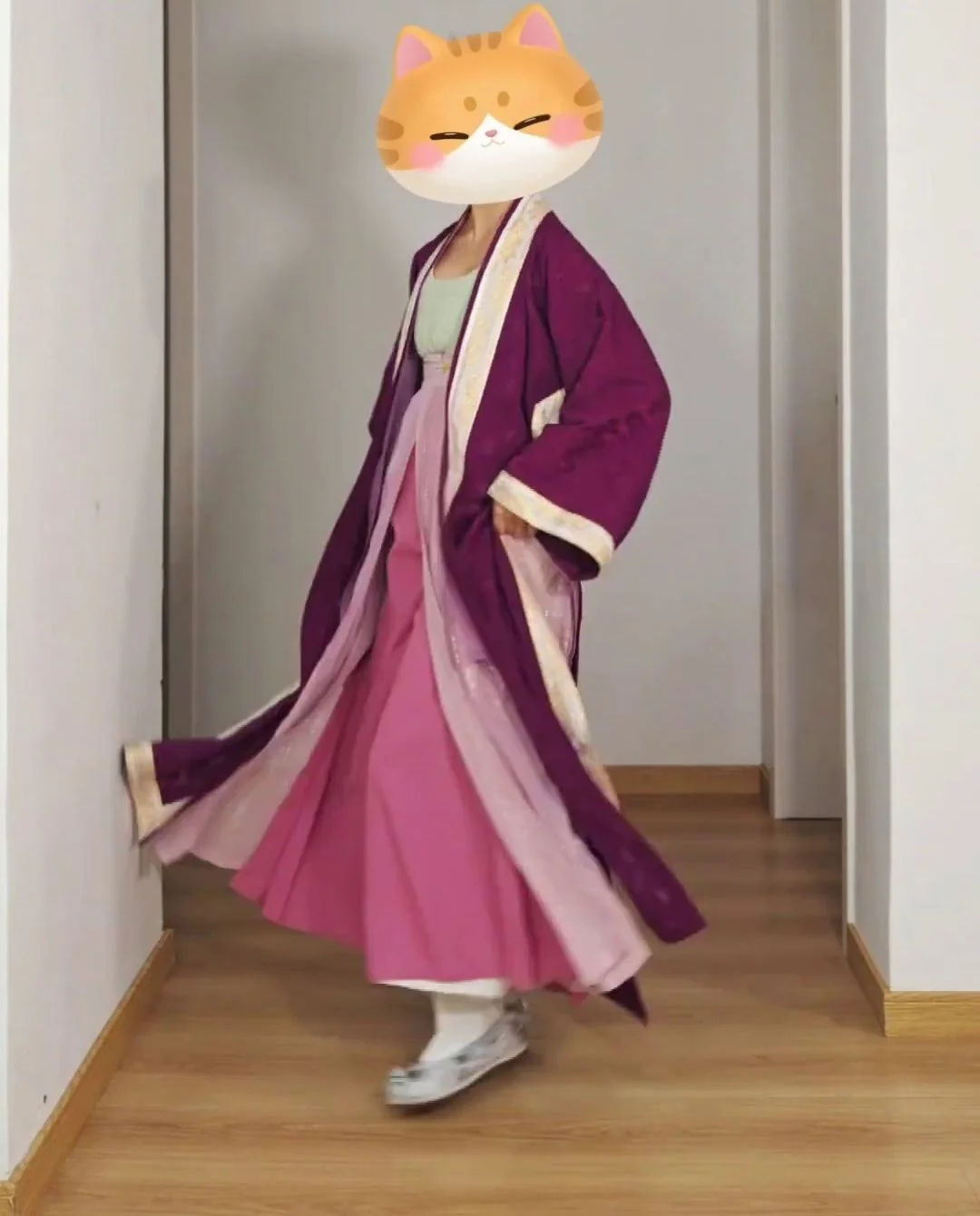
Describe the change before deciding on a fix. “The skirt shifts when I sit” gives a maker more to work with than “the outfit looks wrong.” A front and side view can show where the change starts; a close view can identify the fastening involved.
Resolve that specific question before the outing. A tighter knot, an extra belt, and a different underlayer solve different problems, so adding all three at once makes the cause harder to see.
China in Threads organizes its clothing guides around the same habit: name the piece, identify what the evidence shows, and leave unsupported details open.