Silk hanfu means hanfu made with silk fabric. A sheer silk outer layer and a substantial silk skirt can behave quite differently within one outfit. Start with the fiber content, then compare the fabric, the layers and the care each garment needs.
The distinction matters before buying: a glossy surface can look convincing while saying very little about what’s in the cloth. Here’s how to read those names, compare a few silk fabrics and check a complete outfit before committing to it.
Silk names on hanfu: fiber, weave and finish
Silk names the fiber: the material used to make the yarn. In clothing, silk comes from silkworm cocoons. The Canadian Conservation Institute’s fiber guide describes it as a protein fiber. Satin names a weave, while words such as crepe describe a textured fabric surface. Those names answer different questions.
A label can therefore say both “silk” and “satin” without repeating itself. One tells you the material; the other helps describe the cloth made from it. A satin can also use polyester, so “satin hanfu” and “silk hanfu” aren’t interchangeable descriptions. The same distinction applies to chiffon.
Finish adds another layer to the description. Cloth can have a pronounced shine, a softer sheen or a subdued surface. Treat that appearance as something to choose for its effect on the garment. For the fiber content, look for a separate statement that actually names the fibers.
These fabric terms can describe many hanfu garments. They help explain the cloth, rather than naming the garment’s form.
How silk chiffon, habotai and satin change a hanfu outfit
Silk fabric can be sheer and softly textured or fuller with a glossy face. That changes how much the layer underneath shows and how the cloth falls around the body. Three fabric names make a good starting comparison, though each name still covers more than one weight.
| Fabric | What to look for | A question to ask about the garment |
|---|---|---|
| Silk chiffon | A sheer, lightweight fabric made from finely twisted yarns | What will show through, and which underlayer is included? |
| Silk habotai | A soft, plain-weave fabric; lighter versions can be sheer | Is this weight opaque enough for the way you want to wear it? |
| Silk satin | A glossy face; the reverse may look and feel different | Does the listing show both sides and the cloth hanging freely? |
The table compares fabrics; it doesn’t assign one fabric to one hanfu style. For example, Dharma’s habotai description distinguishes lighter and heavier versions of the same fabric. The seller describes its silk chiffon as textured and softly draping. A name on its own leaves the weight unresolved.
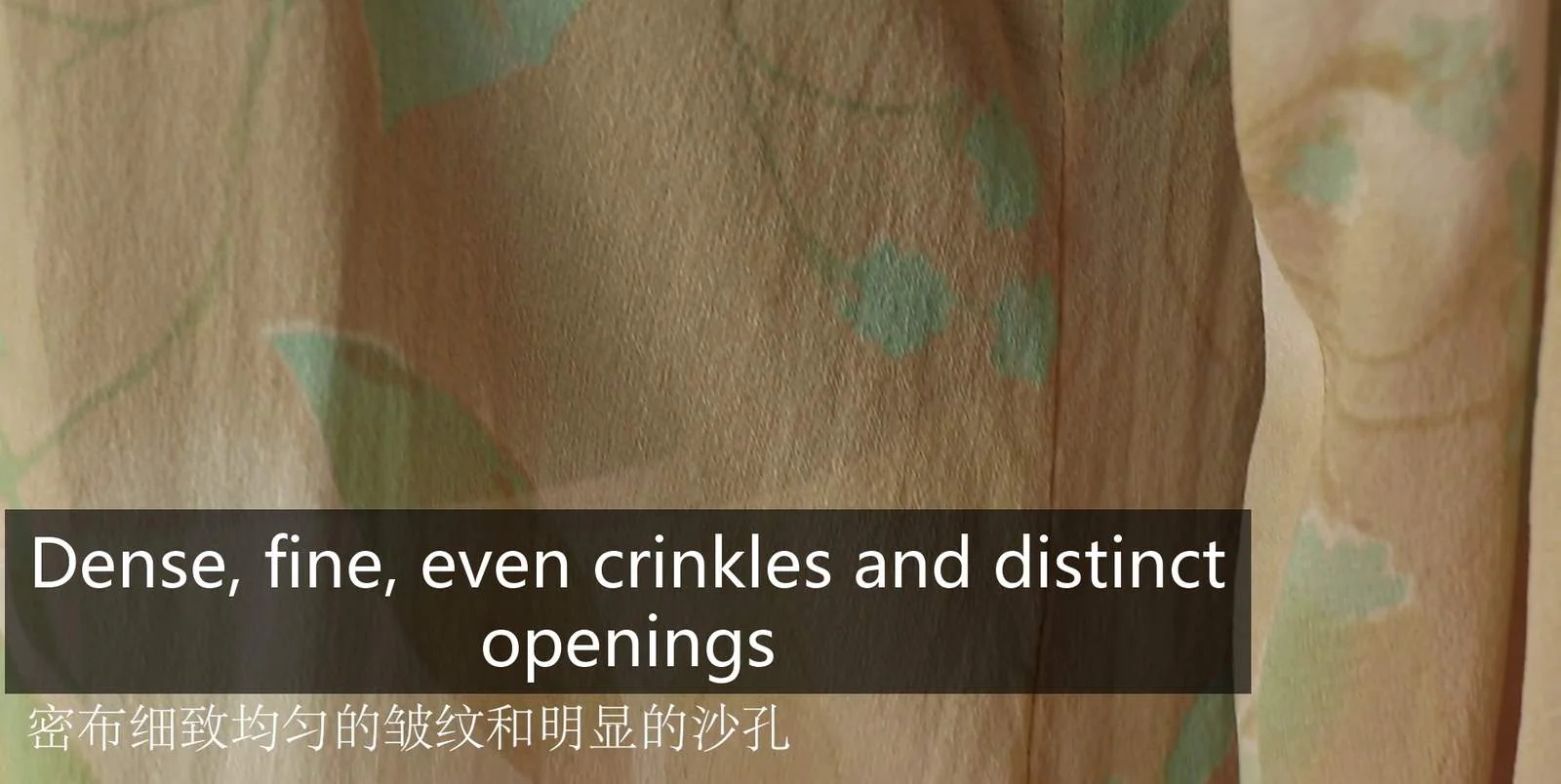
Even shine and texture can coexist. Mood describes its silk crepe-back satin as having a satin face and a creped reverse. When comparing finished outfits, ask for a close view of the surface and a view of the whole garment. Each shows something the other leaves out.
Will silk hanfu feel cool enough to wear?
Silk alone can’t settle that question. The fiber is absorbent, but a hanfu outfit also has a fabric weight, a lining and a number of overlapping layers. A loose outer garment that looks light says little about the skirt and underlayers worn beneath it.
For warm-weather wear, compare the complete outfits you’re considering. Ask which pieces are lined and whether the photographed underlayer comes with the set. A sheer outer layer may need another garment for the coverage you want, so count that layer when deciding what you’ll actually wear.
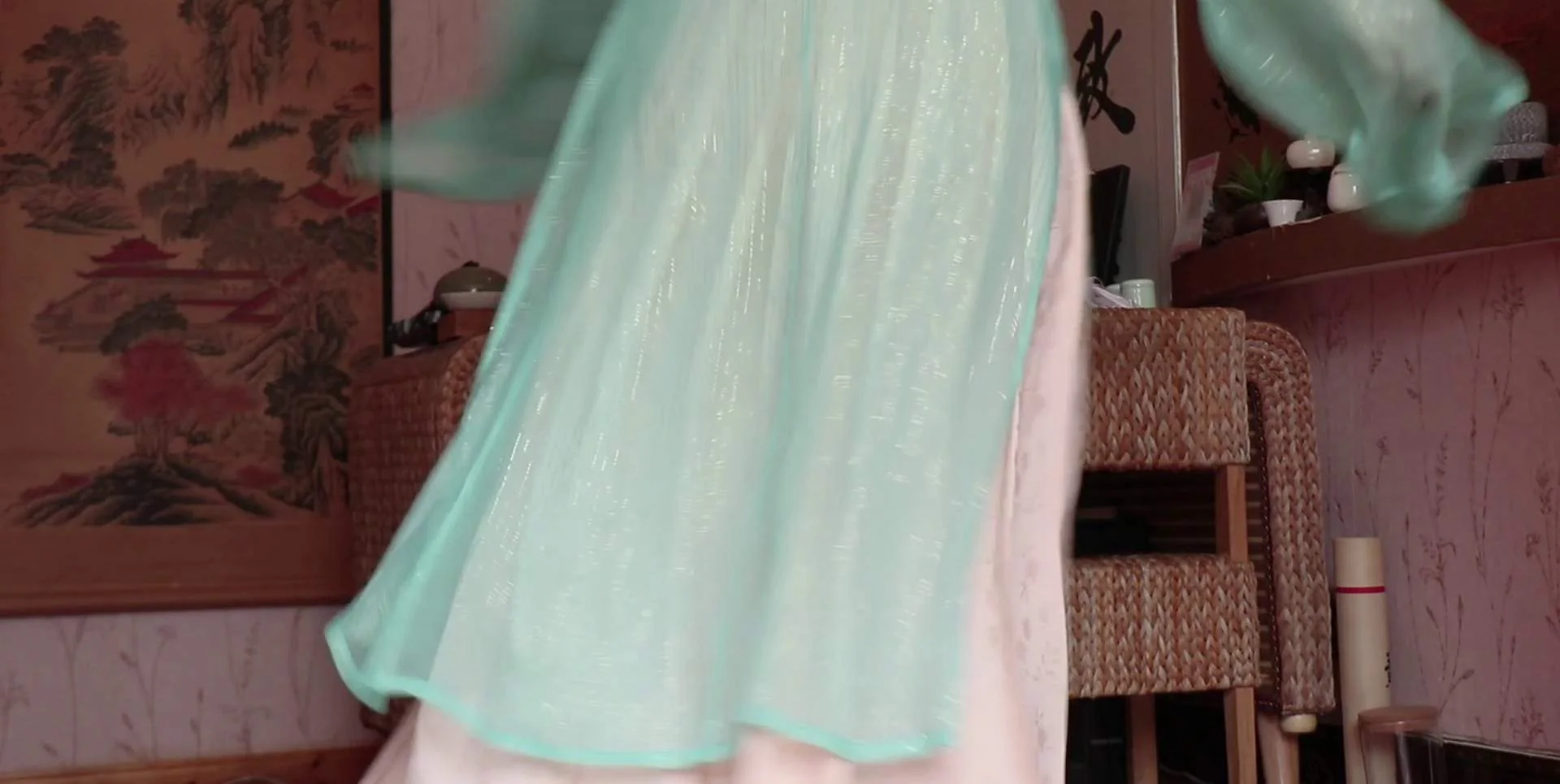
A pale green outer layer hangs over a fuller pale skirt in this outfit. The two layers give different impressions of movement and coverage. A photograph can help with that comparison; confirming the fibers requires the garment’s material information.
Read the silk content of every hanfu layer
Once an outfit has several layers, one material description can become ambiguous. Does “silk” describe the outer garment, the skirt, the lining or every piece in the set? Ask for the fiber content of each piece you’re buying, including any lining, so the answer matches the actual order.
The FTC’s textile labeling summary explains why fiber names and percentages matter. “100% silk” gives a different answer from “silk blend.” For a blend, ask for each fiber’s share before comparing garments.
A short message to the seller can resolve several gaps at once:
- Which pieces does this price include, and what is each piece’s fiber content?
- What is the lining made of?
- Can you show the material and care labels for this item?
- Can you show the fabric against a contrasting background so I can judge its transparency?
Keep the answers with the listing you order from. A fabric name helps narrow the choice; the piece list and labels explain what that choice includes. If the seller can describe the shine but can’t clarify the composition, the material question is still open.
Caring for silk hanfu starts with the garment label
Confirmed silk content still doesn’t give a complete washing method. A finished garment brings together its cloth, dyes, lining and decoration. Read the care information for that garment before washing it, and ask the seller to clarify missing instructions before the first clean.
Silk loses strength when wet and is sensitive to light, as the Canadian Conservation Institute explains. Those properties give a reason to handle wet silk gently and keep stored garments away from strong light. They don’t establish a washing temperature or detergent for a particular hanfu set.
Dharma permits cool-to-lukewarm washing or dry cleaning for its dyed habotai, while Mood recommends dry cleaning for its crepe-back satin. Those instructions concern the fabrics; follow the finished garment’s care label.
Before buying, check whether that care fits the way you’ll use the outfit. A silk piece that needs professional cleaning may suit occasional wear and be inconvenient for frequent outings. Knowing that before ordering is more helpful than discovering the care label after the first stain.