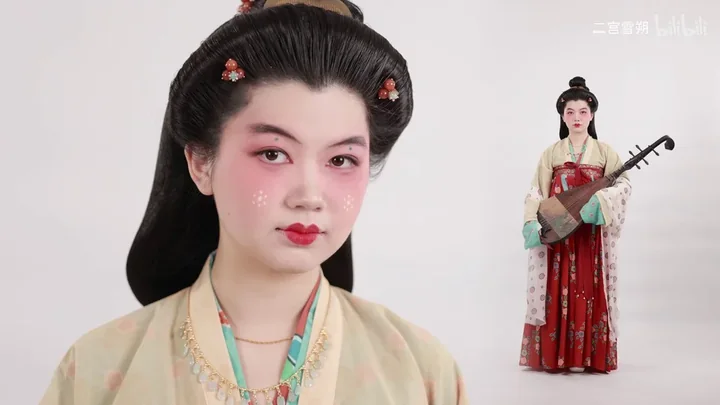
01 / Garments
Traditional clothing ↗
Start with silhouettes, names and the garments that make an outfit.
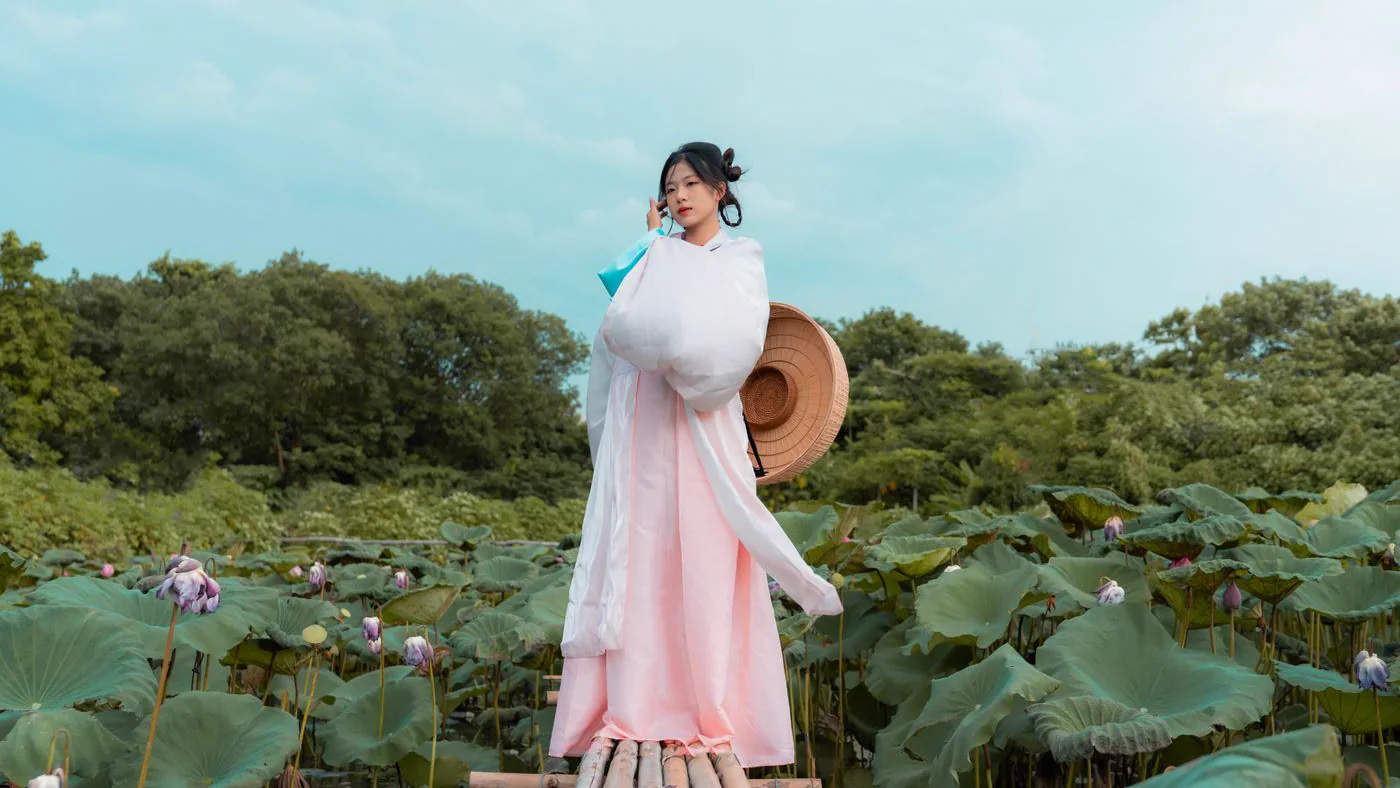
A closer look at Chinese dress
Explore the shapes, materials and ways of wearing traditional Chinese dress.
Welcome to China in Threads
What makes a robe hanfu? How does a qipao fasten? And where do shoes, fans and hair ornaments fit into the picture? China in Threads is an English-language guide to traditional Chinese clothing, for curious readers and people preparing to wear it for the first time.
Begin with a garment and follow its cut, fabric, layers and fastenings. Use the published guides below for an overview or a specific question. Historical objects, modern reconstructions and contemporary designs need different context, so each guide explains what its evidence can and cannot show.
Find your starting point
01 / Garments
Start with silhouettes, names and the garments that make an outfit.
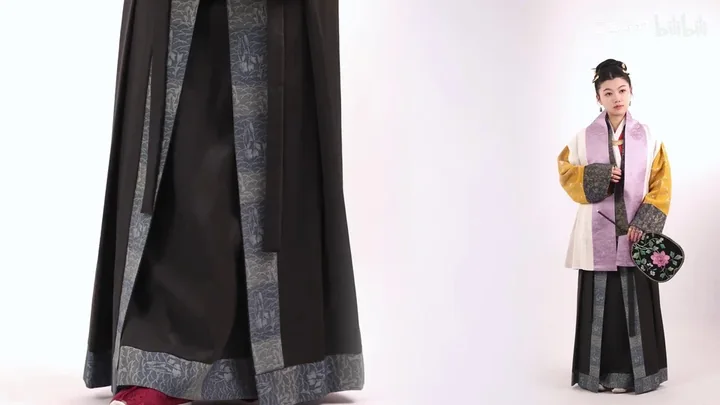
02 / Finishing an outfit
Look at what is worn, carried and fastened alongside the clothing.
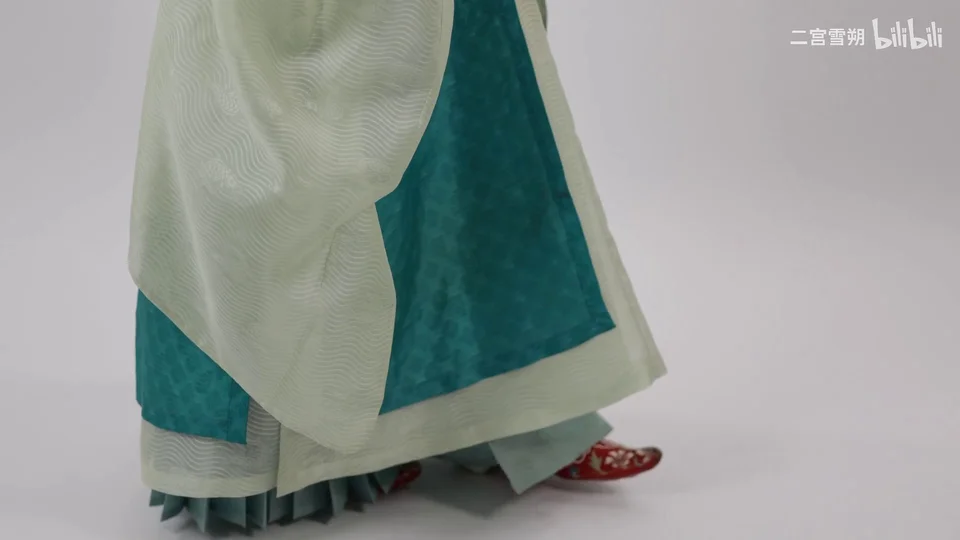
03 / Looking closer
Follow the seams, folds and materials that shape a garment.
Go deeper
A guide to traditional Chinese jewelry: what the category covers, the main materials and forms, and how to read a museum label without guessing at meaning.
Explore Chinese embroidery through Su, Xiang, Shu, and Yue traditions, practice stitches, and a museum robe that separates cloth, technique, and motif.
Explore traditional Chinese textiles by material, woven structure, and surface work, then use those clues to read a museum label or choose a deeper guide.
Learn what a Tang suit means, follow a jacket's neckline, front opening and frog fastenings, and find the right starting point for further reading.
Recognize a qipao by its overall shape, compare its collar, sleeves, body, and hem, and find the right evidence for questions about history or making.
Explore what hanfu names, how its garments fit together, what historical objects can tell us, and how modern clothing relates to older forms.
Learn how hanfu, qipao, and Tang suits differ, then read the layers, cloth, and accessories that help identify traditional Chinese clothing.
A Chinese jade bracelet can be a wide cuff or a thin bangle. Compare two Met objects, their dates and dimensions, and what the records still leave open.
Jade is one English word for two different minerals. A nephrite sample and a jadeite pebble from the Met show what the names tell you, and what they leave out.
What three Metropolitan Museum objects record about jade — a Qing cong, an Eastern Zhou dragon ring and a pair of rabbits — and where the meaning part comes from.
Chinese embroidery splits into types by thread, by purpose, and by region. See a rank badge, a display panel, and a chair strip, and what each can tell you.
Learn split stitch embroidery by hand: pass the needle up through the last stitch's thread, take it down beside its end, and check the line you get.
A French knot is two moves: come up where the dot sits and wrap the needle, then go back down beside the hole and pull slowly. Why knots pull through, and how to size them.
Make a lazy daisy petal with five close-up photos. See where the needle comes up inside the loop and where the tiny holding stitch goes down.
Learn the stem stitch needle path, where to hold the working thread, and how to keep a smooth line around curves. See how it differs from outline stitch.
Learn how to embroider by hand: prepare fabric and floss, thread a needle, stitch a connected backstitch line, and secure the thread on the back.
Embroidery means decorating a surface with stitches, or the stitched work itself. See how thread, cloth, and a small flower make the definition visible.
Learn chain stitch embroidery by hand. Form the first loop, carry the next stitch through it, and secure the last loop without flattening the line.
Learn running stitch embroidery with a needle and hoop. Follow the stitch-and-gap rhythm, check spacing before pulling through, and choose where a broken line works.
Learn what an outline stitch is, how its overlapping line is formed, and why thread position matters when comparing it with stem and chain stitch.
Compare basic hand embroidery stitches by their lines, loops, dots, and fills. Learn what to look for and which stitch names fit the effect you want.
Build a hanfu outfit by identifying each piece, matching visible layers, checking fronts and ties, and trying the full set with shoes before going out.
Read a hanfu robe's collar, front opening, and construction, then check garment and sleeve measurements before choosing a size.
Examine a broad-sleeved cheongsam, distinguish a visible border from an opening, and understand what old-style cutting and a paper overlap model show.
Choosing a women's Tang jacket? Look closely at the neckline, frog fastenings, front coverage, and cuffs before deciding from the pattern alone.
See how hanfu includes robes and separates, examine a plaid top's lining and ties, and distinguish historical clothing, modern wear, and qipao.
Compare hanfu names by garment and outfit: ruqun and aoqun, straight and wrapping robes, sleeved outer layers, vests, and pleated skirts.
Compare silk chiffon, habotai and satin in hanfu, then check each garment's fiber content, lining, layers and care label before buying.
Separate hanfu from stage clothing by purpose and historical reference, with embroidery and clasp details that show why workmanship alone cannot decide.
Explore what red can mean in hanfu, compare broad sleeves, belted silhouettes, and red-and-gold motifs, and check which pieces a pictured outfit includes.
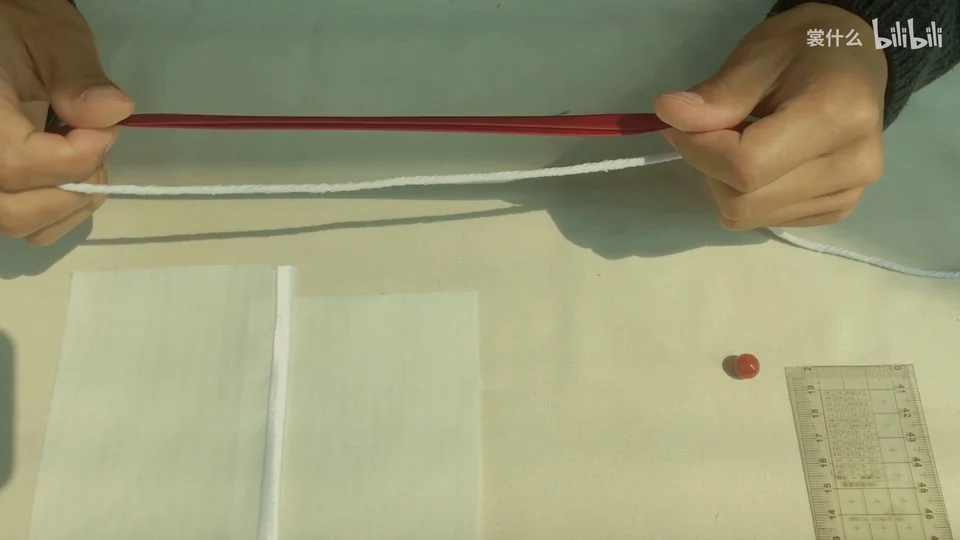
Image: 有度工作室 / bilibili · BV1QA411t7CT
Small details, closer attention
A collar, a cord, a row of buttons. The smallest parts of a garment offer a practical place to begin: what they are called, how they work and how they change the shape of the clothing.
Explore the topic index ↗Your next thread
Clothing, accessories & construction
“Threads” means both the materials in clothing and the connections between the objects, terms and stories.
Editorial voice: Chen Xu (陈叙). The focus is on clear explanations of what you can see and how a garment works, without treating every period or style as the same.